Bear Creek Total Maximum Daily Load (TMDL) Homepage

TMDL Implementation Program

Program Background

RVCOG works on behalf on many local communities to implement local TMDL programs.  Activities include water quality monitoring, education and outreach activities, riparian restoration, and other strategies to help improve water quality in local streams and rivers.  The purpose of this page is to assist communities in TMDL reporting by summarizing activities that have been (or will be) completed for the Bear Creek TMDL program. Materials posted on this page may include schedules, maps, dates of events, copies of deliverables, photos, tracking forms, and other relevant materials. Please contact Greg Stabach for more information. In addition, comprehensive details on program implementation are included in the annual reports submitted to the Department of Environmental Quality in September. Copies of the annual regional activities report for recent year(s) are included as well.

Current Implementation Year  July 1st 2026 – June 30th, 2027

What’s New?

  • DEQ is in the process of reviewing and revising the Temperature TMDLs.  Several of the DMAs and the RM are on the Rules Making Advisory Team.
  • Plan revisions were completed and submitted to DEQ for approval.  Plans were approved and implementation began on July 1, 2025.
  • No reports were due for the 2024-2025 year due to the plan revisions.
  • Reports are being completed for submittal on November 1st, 2026.
  • Partners and DMAs are evaluating the use of eDNA for identifying underlying causes of suspected bacteria contamination.  In the 2025-2026 implementation year, eDNA was used during a hot spot investigation in Wagner Creek.

Meetings and Resources

Annual Report Drafts and Supplemental Materials for Reporting Year 2025-2026. Reports are due on November 1st, 2026 to DEQ.

TMDL Meetings

Quarterly TMDL meetings occur on the third Wednesday of January, April, July, and October.  Contact Greg Stabach (gstabachATrvcog.org) for information and links.  Agendas and selected information from the meetings can be found below.

Stream Smart Meetings

  • Past Meeting – June  1st, 2026
  • Future meeting TBD

Program Updates

Salmon Watch

2026-2027 Season is underway.  Field days began at McGregor Park on September 15th and are scheduled to run through early November.

2025-2026 Salmon Watch Report

Salmon Watch Report

Salmon Watch 2025 Summary

Bear Creek Stewardship Day (Clean-ups)

  • Fall Stewardship Day – September 19th, 2026
    • Statistics Pending

Previous Implementation Years

Annual Report Drafts and Supplemental Materials – Submitted November 1st, 2024.

Draft Regional Materials (DMAs to add in additional information)

Matrix

Bacteria Only – September 13th Draft

Temperature only – September 13th Draft

Education Only  – September 13th Draft

Additional Reference Tabs – References in the long form that are not included in the above files and additional information including activity photos.

Reference Material and Attachments

TMDL Data Summary and Charts

Riparian Restoration Map (ArcGIS)

Interactive Riparian Map 2023

Stream Smart Program Summary

TMDL Meetings

Quarterly TMDL meetings occur on the third Wednesday of January, April, July, and October.  As of the January meeting, they are a hybrid format of in person at RVCOG and Zoom.  Contact Greg Stabach (gstabachATrvcog.org) for information and links.  Agendas and selected information from the meetings can be found below.

Other Reports

NPDES Phase II

Salmon Watch 2023 – 2024 (Fall 2023 and Spring 2024 Program)

2022-2023 Annual Reports and Supplemental Materials

Matrix

Bacteria Only – September 8th Draft

Temperature only – September 8th Draft

Education Only (Note large file takes awhile to open) – September 11th Draft 

Combined Version of the files above (large file) – September 12th Draft

Additional Reference Tabs – References in the long form that are not included in the above files

Reference Material and Attachments

TMDL Data Summary and Charts

Riparian Restoration Map (ArcGIS)

Interactive Riparian Map 2023

TMDL Meetings

Quarterly TMDL meetings occur on the third Wednesday of January, April, July, and October.  As of the January meeting, they are a hybrid format of in person at RVCOG and Zoom.  Contact Greg Stabach (gstabachATrvcog.org) for information and links.  Agendas and selected information from the meetings can be found below.

Other Reports

NPDES Phase II

Salmon Watch 2022 – 2023 (Fall 2022 Program)

Annual Reporting July 1st 2021 – June 30th, 2022 (Submitted in November 2022)

Draft Reports

Regional Matrix Short Form Draft (10/31/2022)

Regional Long Form Draft (10/31/2022)

Regional Cover Letter Draft

Jacksonville Short Form

Jacksonville Long Form

Activity Examples and Supplemental Information

Salmon Watch Newsletter Article (General)

Stream Smart Quarterly Meetings

Bear Creek Restoration Initiative Issue Papers

Topics

Annual Reporting 2020-2021 (Submitted by November 1st, 2021)

Regional Report Short Form Matrix Only – October 11th Version

Regional Report Long Form October 11th 2021 

Riparian Restoration Map Link

2019-2020 Annual Reports and Supplemental Information

2019-2020 

Short Form (One-page Excel Report)

Long Form (Report with all supplemental information on tabs).  Uploaded on 10/21/20.

2018-2019

Short Form

Long Form – File is split into two due to size limitations of the website.

Part 1 

Part 2

Salmon Watch 2018 Report (pdf)

Water Quality Monitoring Program

Link to program page

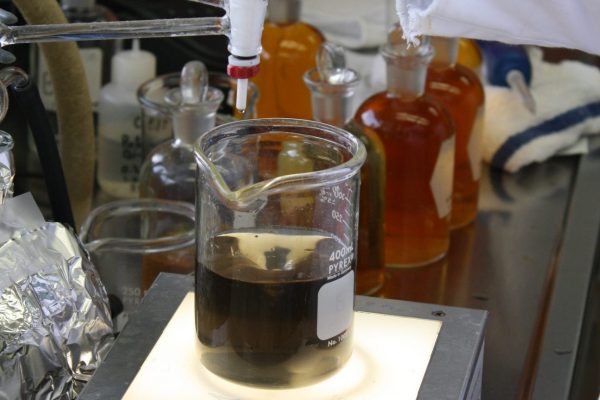
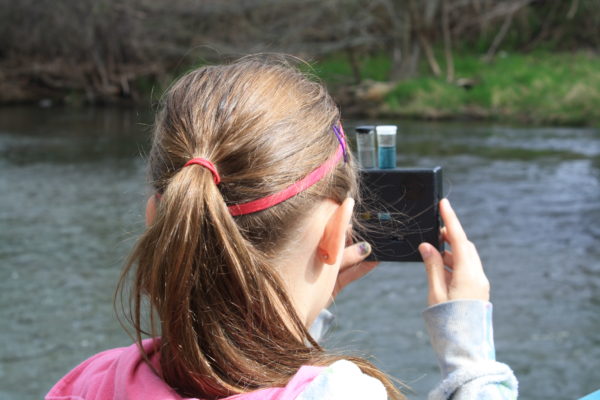
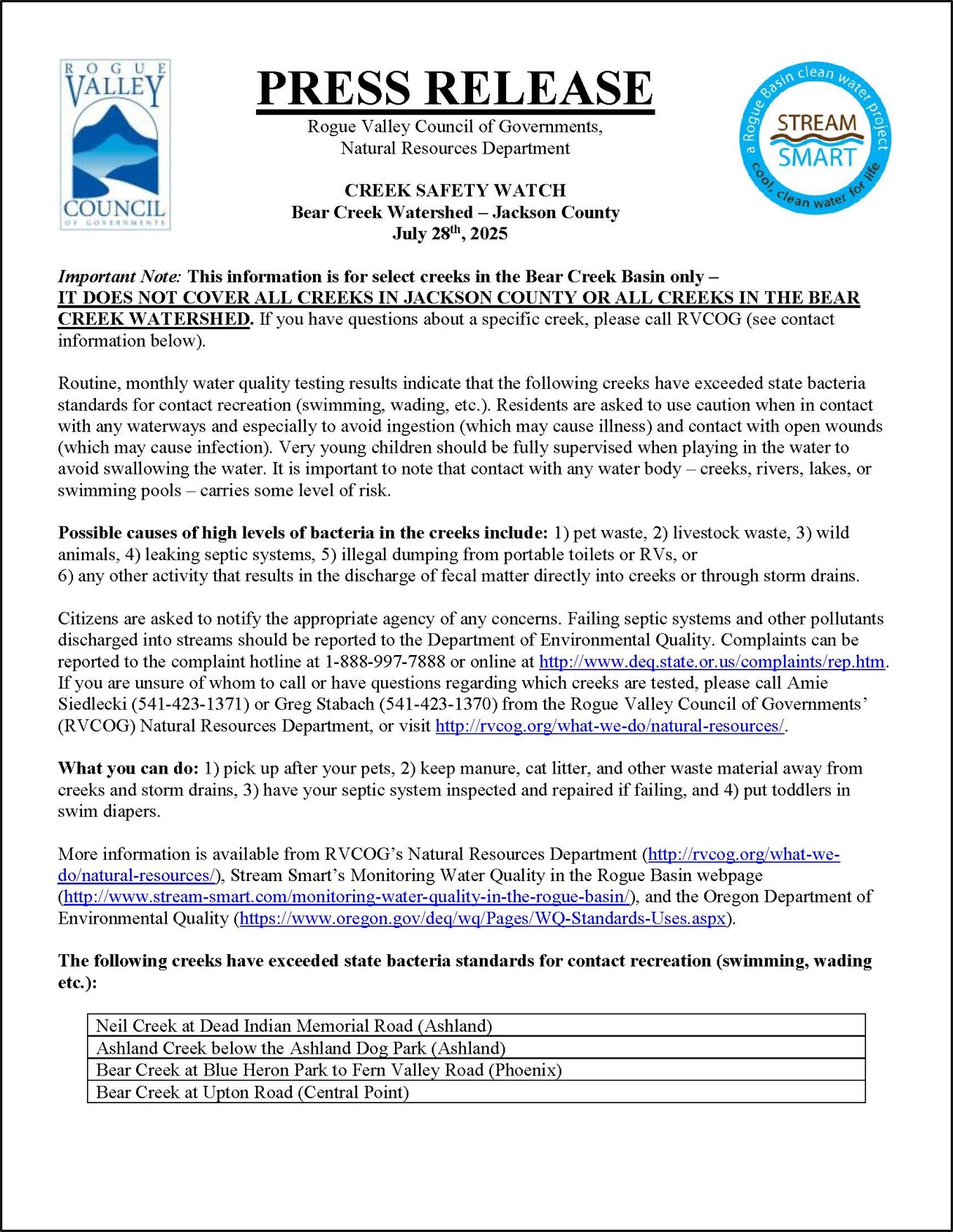
Water quality samples are collected from local streams (monthly) and storm drains (3 times a year; dry weather, first flush, and wet weather) at more than 35 locations from Ashland through Central Point. Samples are analyzed by RVCOG in a lab provided by the City of Medford. Samples are analyzed in the field or lab for temperature, pH, conductivity, turbidity, E. coli (bacteria), phosphorus, and BOD (biological oxygen demand).

The program also includes hot spot monitoring which evaluates potential concerns of pollution on an on-call basis. If you have questions or concerns regarding water quality, please refer to this contact list for questions.

Education and Outreach

Education and Outreach

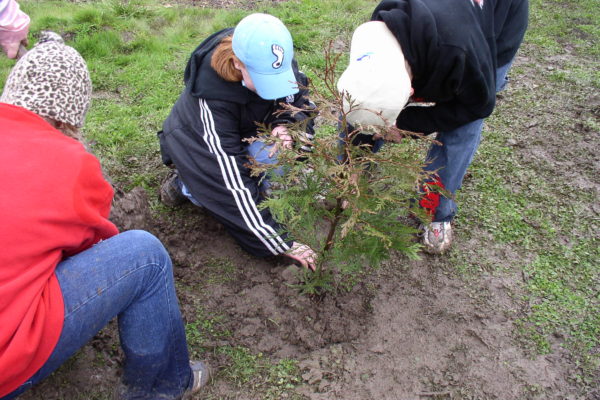
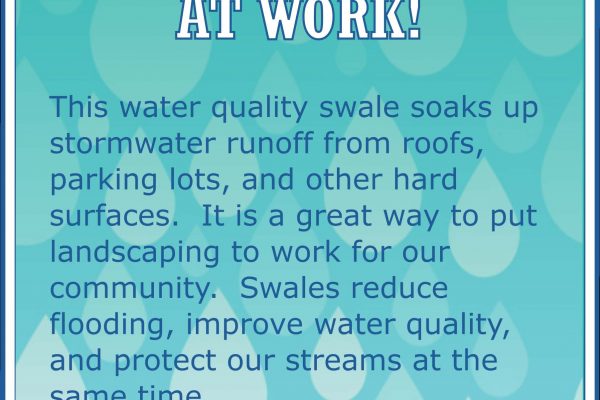
Public outreach and education are important components of the CWA included in the TMDL framework. Activities under the education and outreach implementation portion include classes, coordination of education events (e.g., the Salmon Watch program), attending events, water quality bike rides, development of signs, brochures, posters, activities, and other materials.

Stream Smart (Click on logo for a link to the website)

319 Grant Deliverables

Activity photos


Our Mission:

We shall act as a catalyst to promote quality of life, effective
and efficient services, and leadership in regional communication,
cooperation, planning, and action in Southern Oregon.


Our Core Values:

Service, Collaboration, Professionalism, Stewardship,
Integrity and Respect.

Close Menu

Rogue Valley Council of Governments